
Along the serene shores of the Bay of Bengal lies a sleepy little fishing town that bursts into a whirlwind of color, devotion, and drama every year. Kulasekarapattinam, fondly known as Kulasai, located in Tamil Nadu’s Thoothukudi district, becomes the stage for one of India’s most visually arresting and spiritually charged festivals Kulasai Dasara.
While much of India celebrates Dussehra with tales of Lord Rama and Ravana, Kulasai takes a different route one that honors the fierce and protective energy of Goddess Mutharamman. Over ten days, culminating on Vijayadasami, this coastal town transforms into a living canvas of folklore, faith, and fantastic visuals.
The Spirit of the Festival – Kulasai Dasara
The beating heart of the festival is the Arulmigu Mutharamman Temple, believed to be over 300 years old. The temple is dedicated to Goddess Mutharamman, a powerful form of Kali, revered for protecting her devotees from evil and natural calamities.
Unlike other Dasara celebrations across the country, Kulasai’s version is deeply rooted in folk traditions and coastal Tamil culture. Here, Dasara becomes more than mythology -it becomes performance, transformation, and communal worship.
Rituals That Breathe Life into the Town – Kulasai Dasara Tour
Kulasai Dasara stands out for its intensity and uniqueness. Over a million devotees from across Tamil Nadu and neighboring states gather here not merely as spectators but as participants. The entire town becomes a stage, and every devotee, a performer in this grand cosmic play.
1. Vesham – The Ritual of Transformation
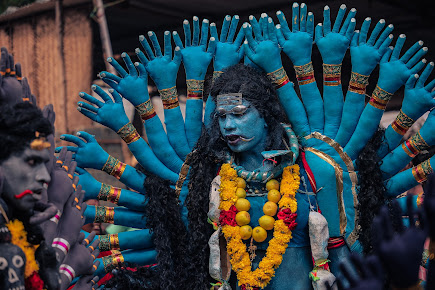
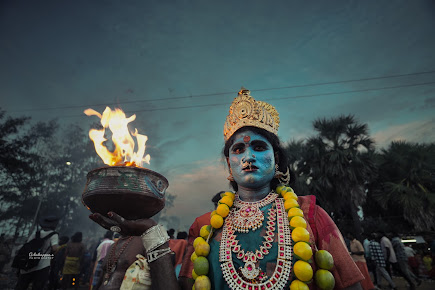
Perhaps the most iconic aspect of Kulasai Dasara is the ‘Vesham’ tradition, where devotees take on the form of deities, demons, sages, kings, animals, or tribal figures. You’ll see men, women, and even children dressed as Goddess Kali, Shiva, Hanuman, or mythological characters from Tamil folklore.
They don elaborate makeup, body paint, and props – often walking barefoot for miles under the sun, collecting alms and blessings. For many, this act is a vow fulfilled, a prayer answered, or a spiritual offering. It is both devotional and theatrical.
2. Fasting and Vows
Devotees follow a strict Viradham (vow of purity), which includes abstaining from meat, alcohol, and other worldly pleasures. Many observe fasting for the entire 10 days, staying in a spiritual state before they take on their ‘vesham’.
3. Alms Collection and Pilgrimage
Dressed in costume, devotees walk from their hometowns or nearby villages to Kulasai, collecting alms from strangers along the way. These offerings in the form of money, rice, and coconuts are presented to the Goddess upon reaching the temple.
4. Soorasamharam – The Dramatic Climax
The festival reaches its peak with Soorasamharam, the symbolic battle between the Goddess and the demon Mahishasura. This theatrical event features an intense reenactment of the Goddess vanquishing evil often performed with fire, drums, chants, and awe-inspiring energy. It’s the most awaited part of the celebration.
How Kulasai Dasara is a Visual Feast for Photography Lovers
If you’re a photography enthusiast, Kulasai Dasara is nothing short of paradise. It offers raw, powerful moments that are both rare and deeply expressive.
Why You’ll Love It:
- Unfiltered Emotions: The intensity on devotees’ faces, especially those in trance or ritual dance, creates striking portraits.
- Vivid Colors: Costumes, face paint, temple decor, and street processions are drenched in reds, blues, yellows, and golds – ideal for dramatic frames.
- Myth in Motion: Every step on the street is a story – people dressed as gods, monsters, and warriors make for dynamic, storytelling shots.
- Perfect Light: Early morning and dusk processions offer magical lighting conditions for natural, moody shots.
- Cultural Documentation: From rituals and community kitchens to face-painting corners and street vendors, there’s no shortage of stories to frame.
Photography Tips:
- Be respectful always ask before taking close-ups, especially of those in trance.
- Carry a zoom lens for safe and powerful crowd shots.
- Blend in with the crowd for authentic, candid images.
- Avoid flash during rituals and inside the temple.
What to Expect as a Visitor
This isn’t a festival you observe from a distance it pulls you in. The sounds of beating drums, the scent of incense and turmeric, the sea breeze, and the chanting of “Om Kali, Jai Kali” form a sensory experience like no other.
Practical Travel Tips:
- Best Time to Visit: The 10 days of Navaratri, usually in September or early October. The final day (Vijayadasami) is the grand climax.
- Getting There: Nearest airport is Thoothukudi. The nearest major railway station is Tiruchendur, about 12 km away. Buses and taxis are easily available.
- Stay: Basic accommodations are available in Kulasai and nearby towns. Book early, as hotels fill up quickly during the festival.
- What to Carry: Comfortable footwear, modest clothing, water bottle, and sun protection. Be prepared for large crowds and long walks.
Kulasai Dasara Emergency Helpline Numbers
- 9498101852
- 9498101833
- 0461 2340393
Thoothukudi Hello Police Number
- 9514144100
Why Kulasai Dasara Should Be on Your Bucket List
Kulasai Dasara isn’t just a festival. It’s a living expression of faith, a folk art spectacle, and a cultural phenomenon that blends devotion with drama. You won’t find corporate sponsorships, laser lights, or sanitised stage shows here what you will find is raw tradition, fierce belief, and a town that becomes a temple.
For those seeking the soul of rural Tamil Nadu, for culture seekers, spiritual travelers, and especially for photographers, Kulasai Dasara is not to be missed. It is India’s storytelling, myth-making, and ritual performance all wrapped in 10 unforgettable days.
Sure! Here’s the revised version with the highlights of the festival added:
The Kulasai Dasara festival is celebrated with immense grandeur in Kulasekarapattinam, located in the Tuticorin (Thoothukudi) district of Tamil Nadu. Symbolizing the victory of good over evil, this visually stunning event captivates with its vibrant mix of ritualistic traditions, elaborate costumes, and colorful pageantry. Held annually between September and October, the festival transforms the village into a kaleidoscope of color, drawing thousands of devotees and visitors from across India and beyond. Devotees gather at the Arulmigu Mutharamman Devi Temple, dressed in striking, multicolored attire to celebrate the event.
Highlights of Kulasai Dasara Festival:
- Grand Procession: Every day of the festival, the Goddess Mutharamman is carried in a magnificent procession on various vehicles, or vahanams (ritualistic chariots), through the streets. This grand procession is one of the main attractions and includes offerings, prayers, and traditional rituals.
- Devotee Costumes: One of the most unique aspects of the festival is the elaborate costumes worn by the devotees. Many dress up as celestial deities like Goddess Kali, as well as kings, monkeys, and even gypsies. These costumes, complete with body paint and bold makeup, are meant to embody the divine powers of the deities they represent. It’s a powerful visual spectacle that symbolizes the deep devotion of the participants.
- Predictions and Alms: In keeping with ancient traditions, the devotees, dressed as various deities, offer predictions to worshippers. They are believed to be divinely possessed and speak with the voice of the deity they represent. After giving their blessings and predictions, they receive alms from the devotees, which are then donated to the Goddess.
- Rituals and Pujas: The festival is marked by elaborate religious rituals and pujas (prayers) held at the Arulmigu Mutharamman Devi Temple. Devotees participate in intense worship and spiritual offerings, invoking the Goddess’ blessings for protection, prosperity, and well-being.
- Traditional Music and Dance: The festival also features performances of traditional Tamil folk music, dances, and drumming that are integral to the celebrations. The sounds of drumbeats and devotional songs echo through the streets, creating an atmosphere of devotion and celebration.
- Vibrant Community Celebrations: The festival brings the entire community together in shared devotion and joy. Locals and visitors alike join in the festivities, with food stalls, vibrant market places, and other cultural activities contributing to the overall experience.
- Large-Scale Pilgrimage: The festival attracts lakhs of visitors from all over India. Pilgrims travel from far and wide to witness the event, making it one of the largest cultural and religious festivals in Tamil Nadu.
The Arulmigu Mutharamman Devi Temple:
The Arulmigu Mutharamman Devi Temple itself is a historical landmark, built over 300 years ago during the reign of King Maravarman Kulasekaran. It is dedicated to Goddess Mutharamman, believed to be the protector and guardian of the village. The temple’s ancient charm adds to the spiritual significance of the festival, with devotees paying homage to the Goddess for her divine blessings and protection.
Each year, lakhs of visitors converge on Kulasekarapattinam for Kulasai Dasara, making it an unforgettable event that celebrates culture, devotion, and vibrant tradition. The festival is not just a visual spectacle, but also a deeply spiritual and cultural gathering that highlights the essence of Tamil Nadu’s rich heritage.